
CCHN Field Manual for Negotiation Strategies in the Context of Sustainable Energy Access in Displacement Settings in Sub-Saharan Africa
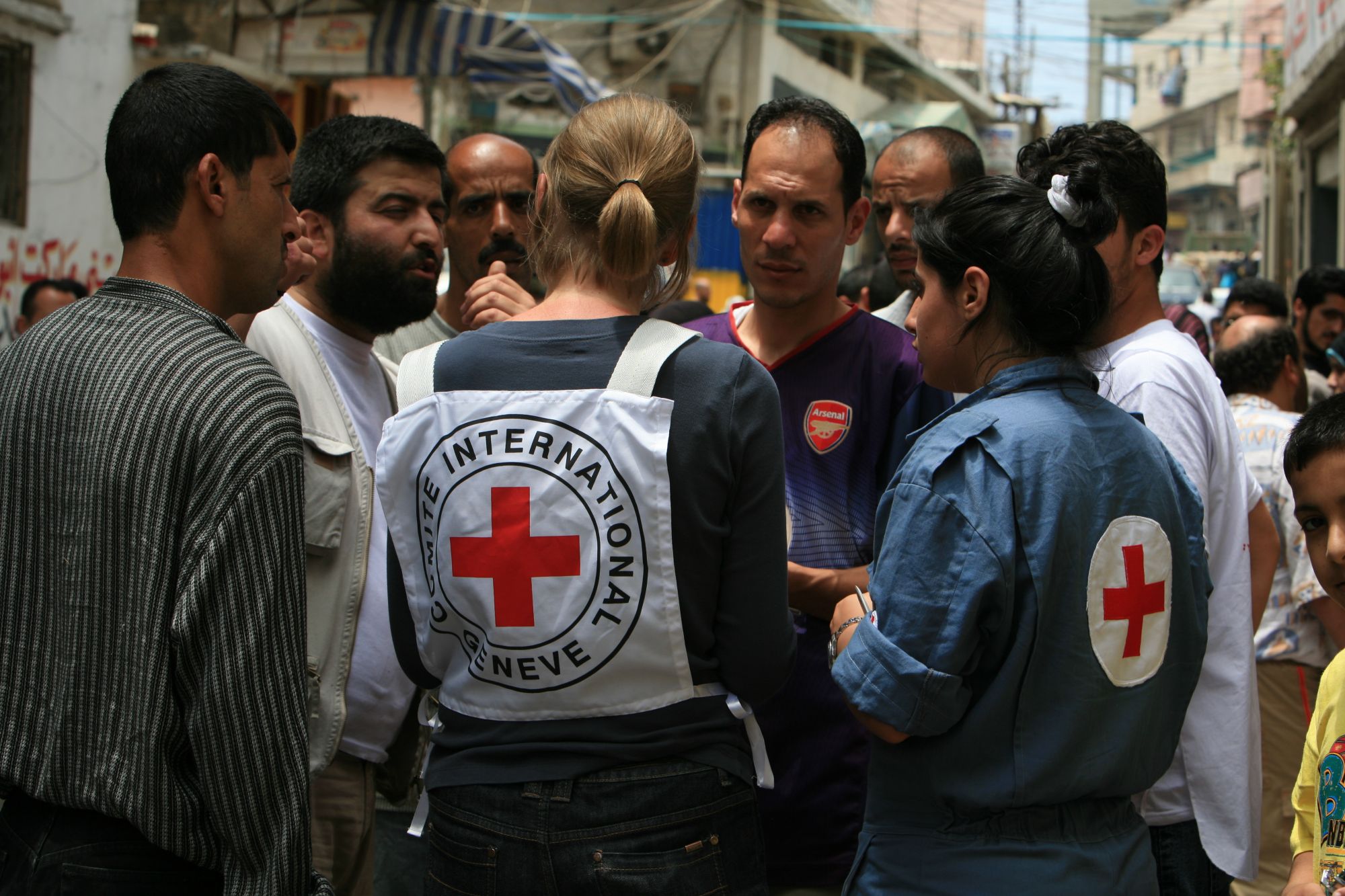
This Moodle training course focuses on practical negotiation strategies derived from the CCHN Field Manual by Frontline Negotiations. The training is set within a realistic displacement scenario in Noorani Refugee Camp, Country Z, where participants represent different stakeholder groups, including Displaced Persons, Humanitarian Organizations, Local Governments, National Governments, Host Communities, NGOs, the Private Sector, and Donor Groups.
The course uses advanced tools from the CCHN Field Manual to guide participants through multi-stakeholder negotiations in a humanitarian context. Participants will engage in scenario-based learning to replicate the dynamics and challenges of real-world negotiations.
Learning Objectives:
By the end of the course, participants will be able to:
- Analyze the positions and interests of counterparts using Tool 9: Analyzing the Position of the Counterpart.
- Define their organizational priorities and objectives with Tool 10: Identifying Own Priorities and Objectives.
- Explore common ground and mutual interests with Tool 11: Exploring the Common Shared Space.
- Map networks and leverage influence using Tool 12: Network Mapping and Leveraging Influence.
- Identify shared benefits and create negotiation scenarios using Tool 13: Identifying the Shared Benefit of the Negotiation.
- Conduct cost-benefit analyses of negotiation options with Tool 14: Evaluating Cost-Benefit of Options.
Course Structure:
Introduction: Overview of the course and humanitarian negotiation framework.
Tool 9 Analyzing the Position of the Counterpart: Participants identify the positions and motives of their counterparts.
Tool 10 Identifying Own Priorities and Objectives: Participants define their organization's motives and desired outcomes.
Tool 11 Exploring the Common Shared Space (CSS): Participants collaborate to find common interests and compromise.
Tool 12 Network Mapping and Leveraging Influence: Stakeholders map relationships to influence the negotiation.
Tool 13 Identifying the Shared Benefit of the Negotiation: Participants explore various negotiation outcomes to establish shared benefits.
Tool 14 Evaluating Cost-Benefit of Options: Participants analyze negotiation strategies based on cost-benefit considerations.
A summary of key lessons and final reflection on the negotiation process.
Target Audience:
This course is suitable for humanitarian practitioners, development professionals, government officials, private sector actors, donor representatives, NGO workers, and anyone interested in negotiation strategies in complex humanitarian settings.
Outcome:
Participants will enhance their negotiation skills, gaining the ability to navigate multi-stakeholder discussions in displacement settings. The course equips them to drive meaningful, collaborative solutions, particularly in achieving sustainable energy access for vulnerable populations.
- Profesor: Maurice Vokuhl
- Profesor: Jack Williams